

Running a business in the Pacific Northwest has never felt more unpredictable. Rising costs, supply chain disruptions, and extreme weather—wildfires, flooding, drought, and record heat—are squeezing budgets and testing resilience.  Energy is often the second-largest line item in a business’s budget. While you can’t control the price, you can control how much you use. That’s where energy management comes in.
Why it matters
Energy management is a proactive set of tools that helps you reduce costs, conserve energy, and control risk. The payoff goes beyond the utility bill. It can support better decision-making, improved comfort, reduced pollution, satisfied customers, and an easier path to regulatory compliance. The U.S. Department of Energy estimates businesses can cut utility costs by 15–30% in the first year of conducting an audit.
A simple, repeatable cycle
Energy management works as a continuous, five-step cycle.
- Plan by forming an energy committee and setting a policy, guidelines, and a multi-year vision.
- Audit your building envelope, heating and cooling, lighting, electrical system, water system, and equipment to find where energy—and money—is leaking.
- Build commitment by sharing findings and creating an energy-conscious culture.
- Implement improvements with the energy pyramid—start with low- and no-cost conservation, move up to efficiency upgrades like LED lighting and heat pumps, then consider renewables such as solar once demand is reduced.
- Manage your data so every decision is backed by accurate, visible numbers.
The savings are real
 Air sealing and insulation alone can cut energy costs by 11%. One Oregon business saved nearly $8,000 a year with new insulation, and a shop slashed its monthly bill from about $400 to $75 by switching from space heaters to a heat pump.
Examples of rebates to look for
Depending on your utility and location, businesses may be able to find rebates or incentives for LED lighting, lighting controls, heat pumps, HVAC upgrades, insulation, building-envelope improvements, and energy audits. Incentives may also be available for commercial kitchen or refrigeration equipment, smart thermostats, variable-speed drives, solar, and other efficiency projects. Some programs also offer free or low-cost assessments to help identify the best first upgrades.
Getting started
You don’t have to do it all at once—start small, engage your team, and reinvest the savings. 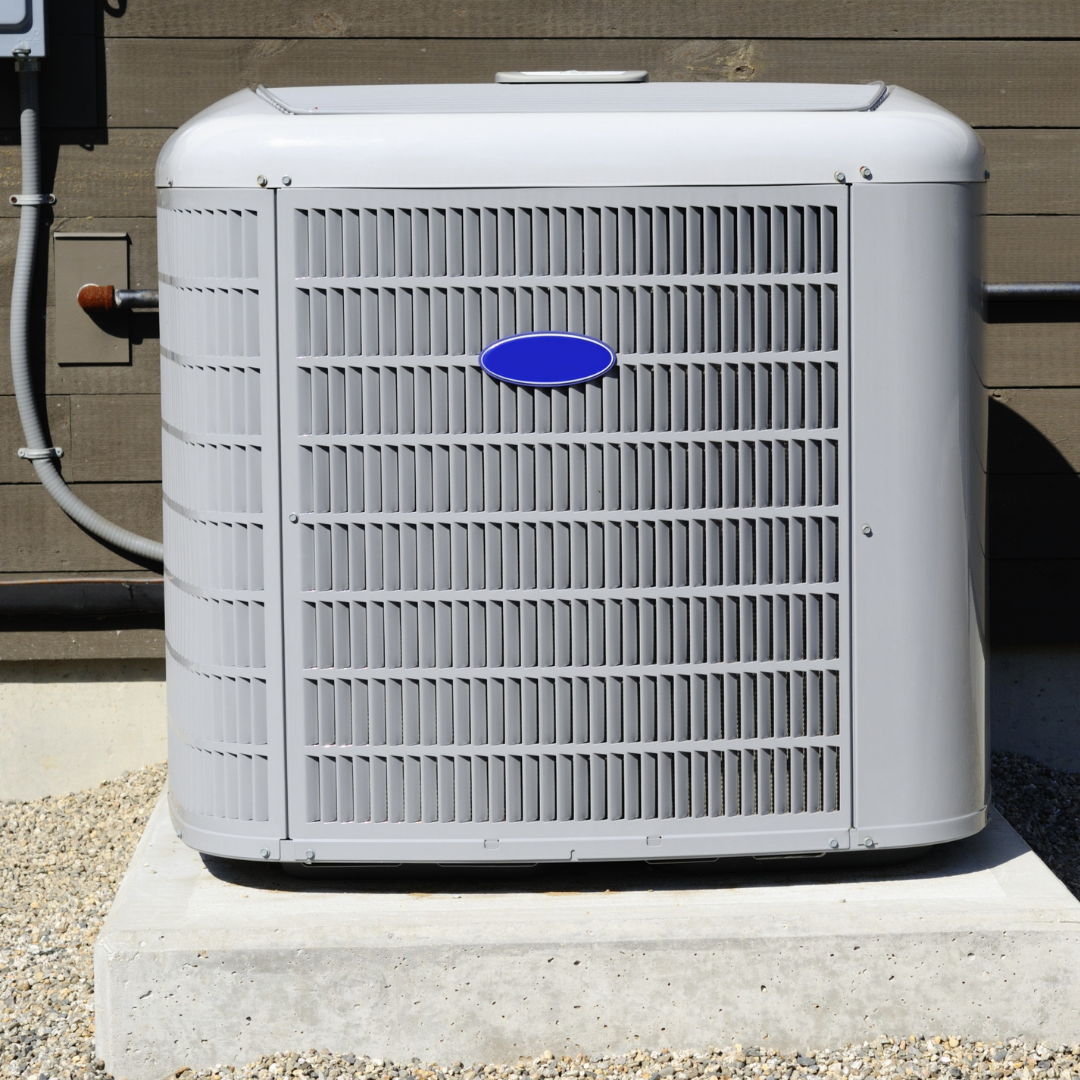 Free tools like Energy Star Portfolio Manager, audit forms, incentives, and free business coaching from Business Impact NW make it easier than you think. Small businesses should explore incentives available through their local utility, including Puget Sound Energy, Seattle City Light, Snohomish PUD, Pacific Power, and Energy Trust of Oregon for eligible Oregon and Southwest Washington customers. If you are also making upgrades at home, be sure to check residential rebates too—many utilities offer separate incentives for households. Energy management isn’t just a response to challenges; it’s a strategic opportunity to protect profit and build a more resilient business.
Want help finding your best next step? Book a complimentary 15-minute conversation with Business Impact NW’s consultant to explore your goals, identify practical opportunities, and determine what support may be most helpful.
About the author

Allison Mettler
Allison is a sustainability professional dedicated to advancing environmental responsibility and practical business solutions. Allison brings experience leading cross-functional projects in climate resilience, waste reduction, water conservation, and sustainable development. Combining a background in business strategy, sustainability consulting, and compliance to support organizations in achieving their goals while fostering community and economic well-being. Allison leads the development and delivery of sustainability consulting services that help small businesses integrate energy efficiency, carbon reduction, and sustainable operations into their growth strategies. Her work bridges technical assistance and lending to advance Business Impact NW’s mission to build resilient and environmentally responsible local economies. Allison has a Master of Business Administration and a variety of sustainability certifications.