
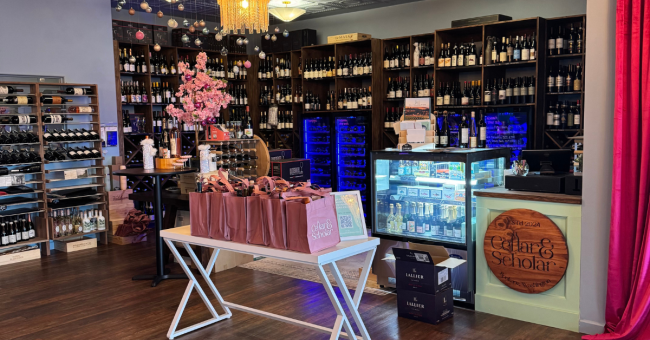
Spokane, WA has a lot of wine drinkers, which isn’t a surprise given its proximity to the second-largest wine producing region in the United States. Despite this, the Lilac City lacks ready access to the range of top-notch world wines that Seattle and Portland residents get their hands on easily.
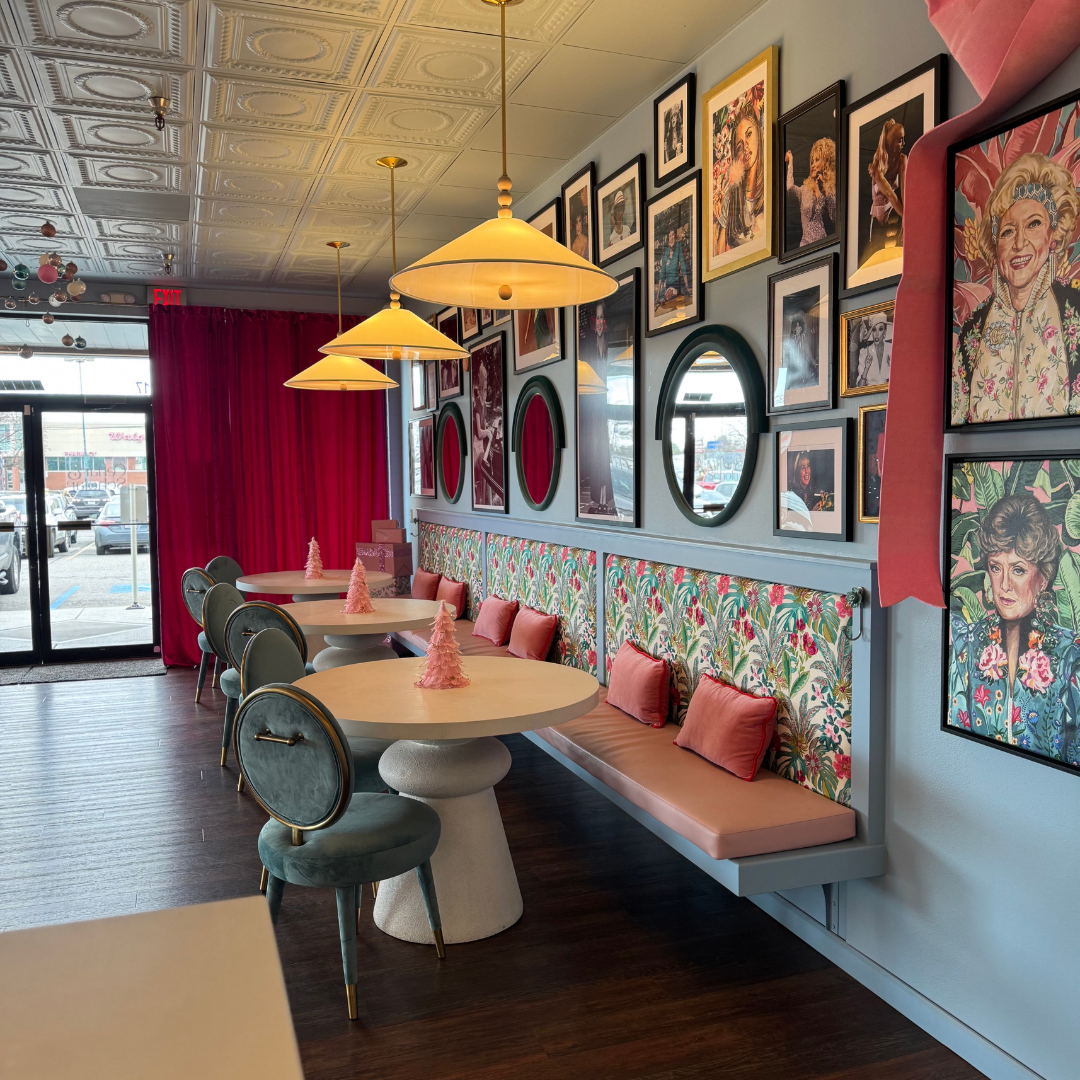 Cathy Hand is working to change this. Together with her daughter, Justine Recor, she owns and runs Cellar & Scholar, a wine shop dedicated to providing Washington’s second-most-populated city with expertly curated, sustainably produced wines from across the globe.
Cellar & Scholar’s philosophy
There’s mystique around the concept of “knowing wine.” There’s so much to know, for one thing, and diploma programs run in the thousands (Cathy’s was $8,000). A solid wine education includes coursework in viticulture, chemistry, geology, anthropology, history, and more.
Regular consumers seldom gain this expertise, but they still want to know what wines they like and why they like them. The wine industry isn’t always so helpful; some European wines, for instance, leave varietals off their labels.
“I hate when you buy a bottle and it feels like playing the lottery,” Cathy says.
Cathy and Justine strive to make the wine world more approachable. They regularly host non-judgmental “Sip & Learn” classes, and they dig into farming practices when selecting wines so customers can feel good about what they’re drinking.
Leaving project management for a wine career
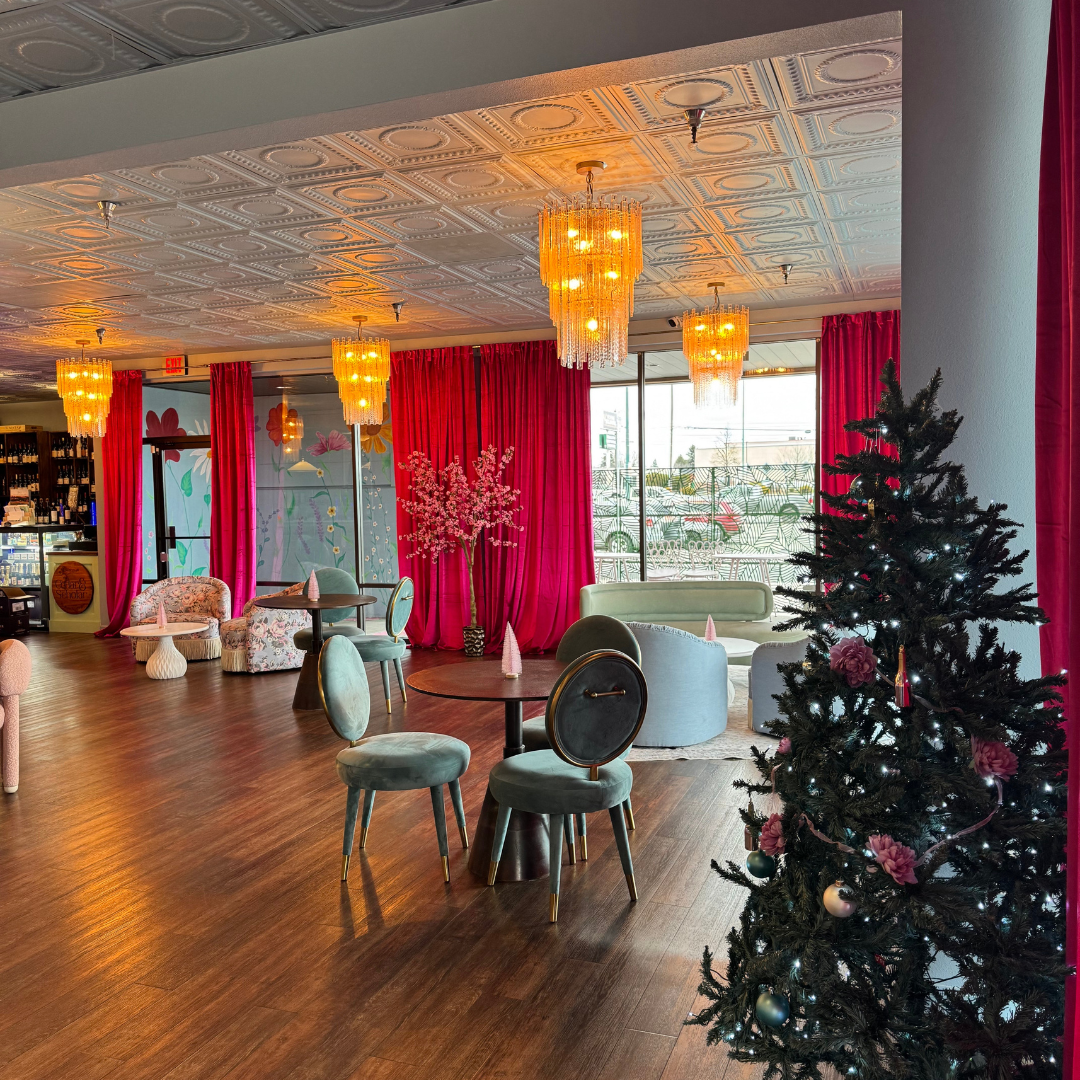 Cathy previously worked in tech, an industry marked by stress and ever-approaching deadlines. Throughout her career, she felt an emotional pull back to a winery job she’d had in her early 30s as a single mom, but she stuck with the tech job “out of habit.”
Justine also has fond memories of being at the winery with her mom. Eventually, they both migrated back to wine. “Justine started taking sommelier classes and said, ‘Mom, you should do this with me,’” Cathy laughs. “We got addicted to the challenge!”
Cathy recalls being a bit “checked out” during college history courses, but studying history in a winemaking context turned her into an avid scholar. “When I learned it through the lens of what [historical events] did to farmers and vineyard owners and wine makers, it becomes this global view into the world.”
Soon, a future as a wine shop owner materialized. She’s always had “that entrepreneurial bug” and had no intention of spending retirement watching TV. (“I vibrate too high!”) She drafted a business plan and started looking at spaces.
Covering construction and ramp-up costs with a loan
Once Cathy and Justine found a spot, Cathy cashed out her 401(k) with a ROBS (Rollover as Business Startup) arrangement, but it wasn’t enough. Construction cost more than she expected, and she wanted to treat her new staff well.
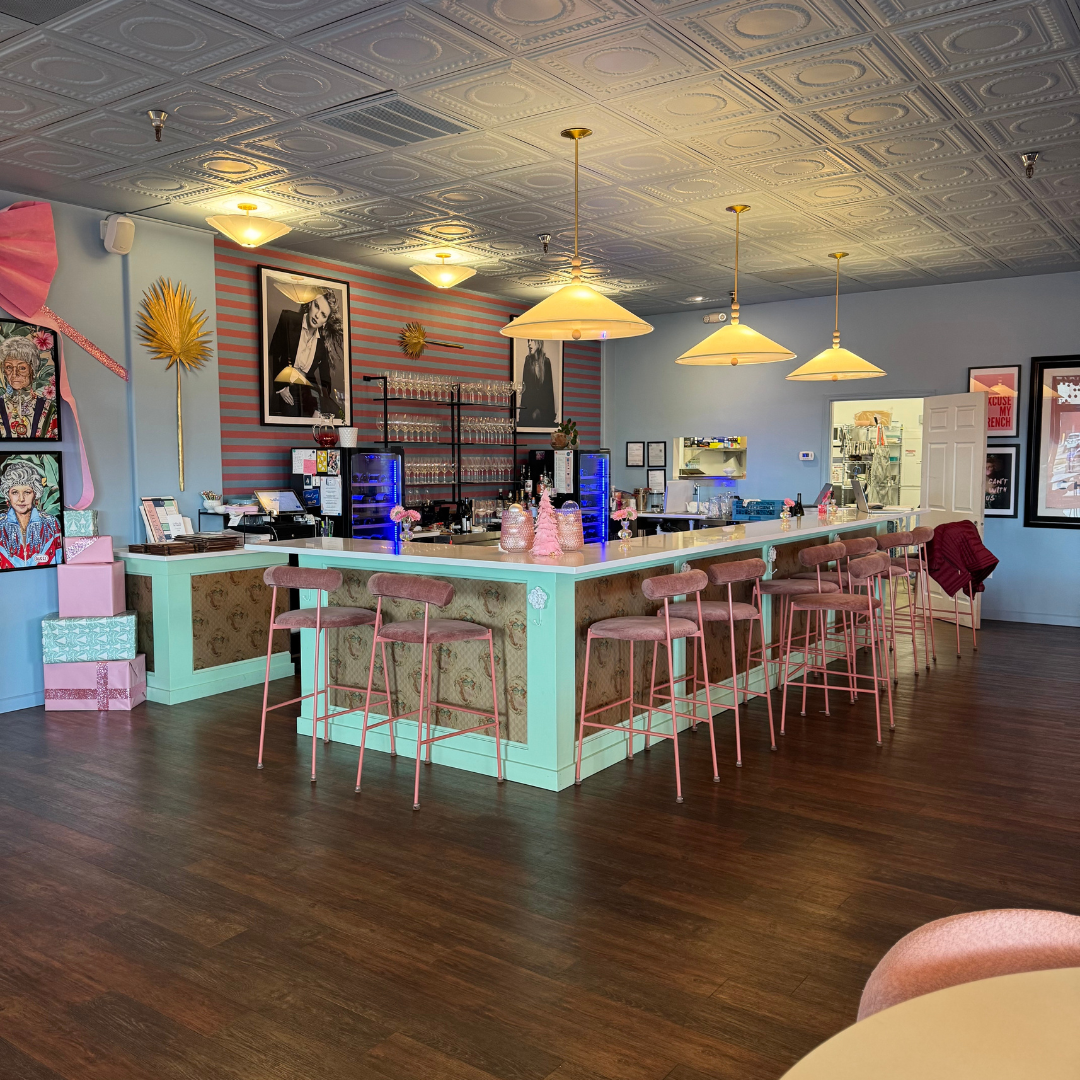 So, the mother-daughter duo looked for loans on the Small Business Administration (SBA) website and got matched with Business Impact NW, which had great ratings. Cathy worked with Ngan Phan, a loan officer with Business Impact NW, to scrutinize the business plan and financial projections. Ngan revealed some unexpected insights into revenue streams. For instance, Cellar & Scholar’s plan to eschew restaurant markups kept retail wine margins low, but charcuterie margins are quite high.
“Just working those numbers helped me understand where the money was going to come from to support the business,” Cathy says.
Getting a guarantee with the Community Advantage Program
Ngan got Cathy set up with Business Impact NW’s Community Advantage Program, which helps small business owners get approved for loans by providing a guarantee of up to 85%. It’s tailored to clients like Cathy who have good credit and good cash flow but are low on collateral. Business Impact NW provides the loan directly, while the SBA backs it with a guarantee in case of default. That guarantee allows more flexibility for businesses that might otherwise be turned away.
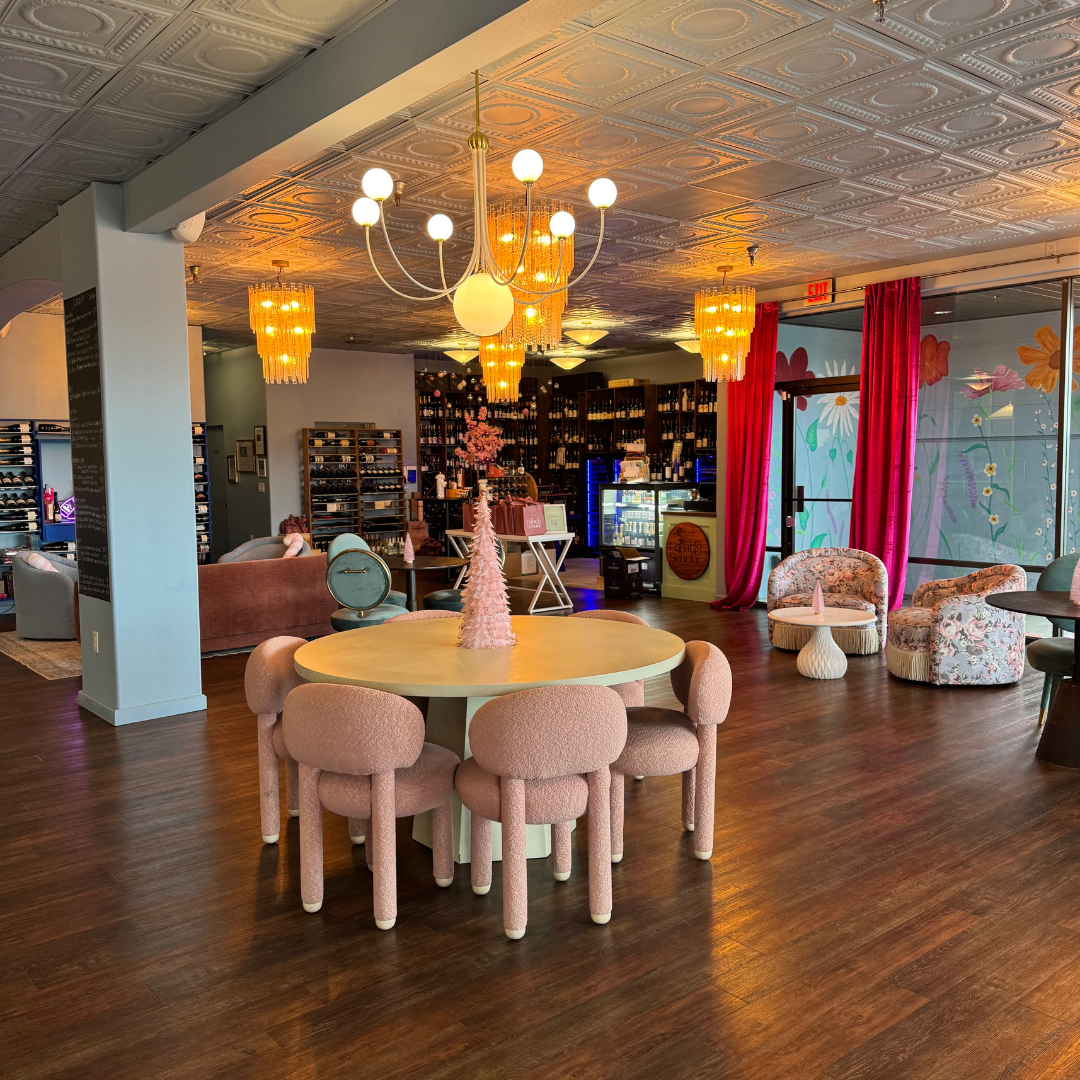 Cathy used her loan to cover inventory, leasehold improvements, equipment, working capital, and fees. It came at “the perfect time,” helping her get through months of building up inventory and hiring staff. Ngan was impressed by Cathy’s financial and business acumen, which sped up the process.
“It was surprising how much she understood the financial aspect of the business and came prepared with the loan!”
How one thriving wine spot lifts up an entire restaurant scene
A single well-placed business can have a far-reaching impact—something Cellar & Scholar demonstrates well. Justine offers servers discounted classes, helping restaurants bolster their wine programs.
“There are at least five restaurants whose wine programs have been completely transformed,” says Cathy. “This brings money back to the community when people don’t just go online.”
Cathy feels like she’s doing much more for the community now than she did in her tech career. She sees people discover new favorite varietals and form lasting friendships. Plus, the focus on good farming practices supports farmers all over the world.
Good farming practices also make for truly exquisite wines. “Happy earth just gives better grapes!”
About the author

Robin Kallsen
Robin Kallsen is a Seattle-based freelance copywriter who crafts detailed, fun-to-read articles on market research, cybersecurity, and other topics. She’s also a musician who busks at Pike Place Market during the tourist season, playing bass while singing vintage jazz, blues, and French songs.