

Fires, floods, hurricanes, tornadoes, and other emergencies don't check a business's balance sheet before striking; but a business that's prepared has a far better shot at reopening its doors.
Small businesses are especially vulnerable to disaster disruption. Many never reopen after a major event, not always because of the physical damage itself, but because they didn't have a plan, didn't have 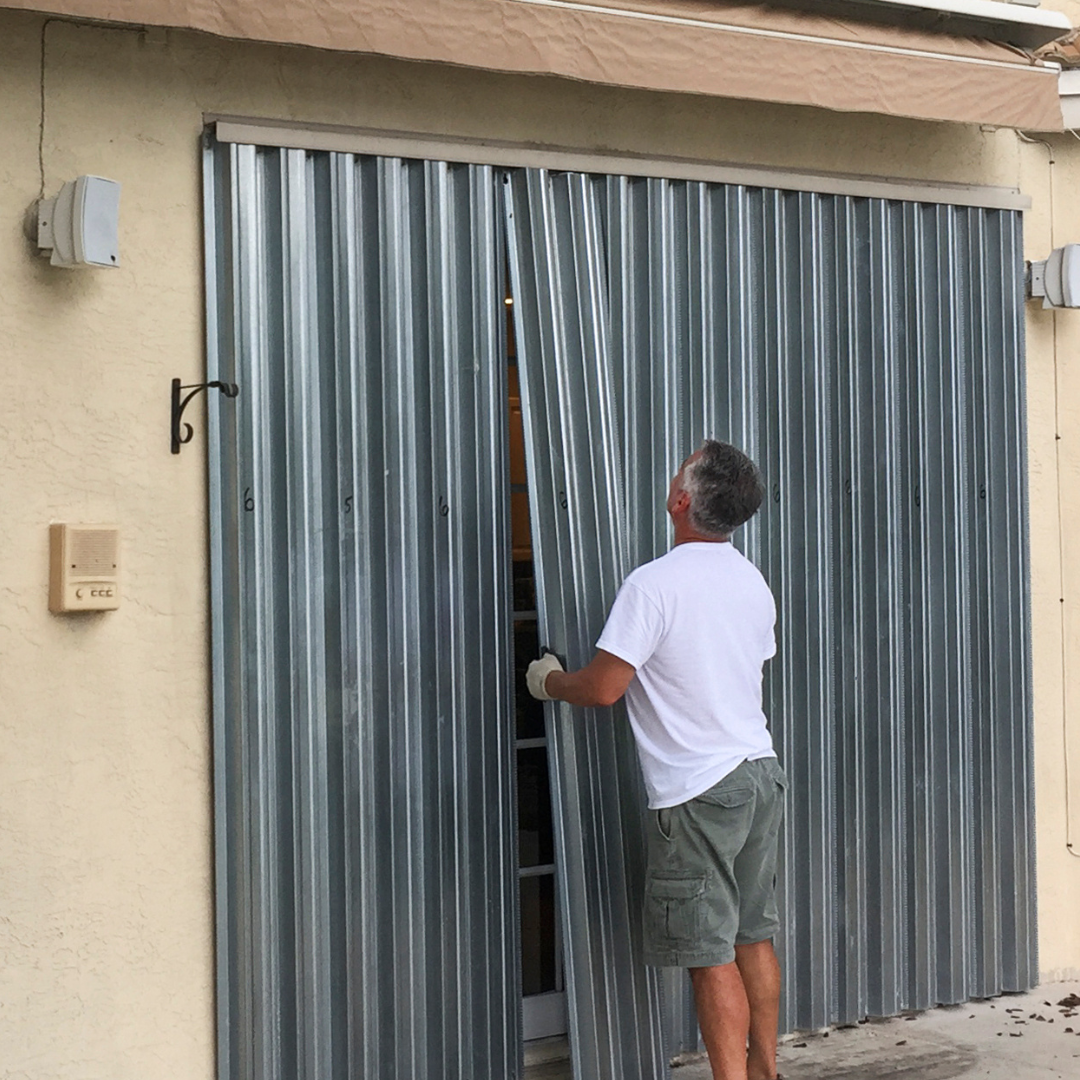 documentation in order, or ran out of cash while waiting to get back on their feet. The good news: most of the work that protects you doesn't cost much, and a lot of it can be done in an afternoon.
Know Your Real Risks
Not every business faces the same threats. A bakery in a floodplain has different exposure than a landscaping company in a wildfire-prone area. Before you build a plan, take stock:
- What natural disasters are most likely in your area (flood, fire, hurricane, tornado, earthquake, winter storm)?
- Which parts of your operation would be hit hardest — your physical location, your inventory, your equipment, your supply chain, your staff's ability to get to work or clients?
- Could a disaster elsewhere (a supplier's warehouse flooding, a key vendor losing power) disrupt you even if your own location is untouched?
The SBA's Business Resilience Guide and a free "back-to-business" self-assessment can help you map these vulnerabilities systematically rather than guessing.
Protect Your Paperwork Before You Need It
 When disaster strikes, the businesses that recover fastest are the ones that can prove what they had and what they lost. Before anything happens:
- Photograph or video your space, inventory, and equipment. Walk through every room. Date-stamp the files.
- Keep copies of key documents off-site or in the cloud: your lease, insurance policies, licenses, loan documents, tax returns, and a current list of vendors, customers, and employees with contact information.
- Back up your financial and customer data to a cloud service, not just a local hard drive or on-site server.
- Store your loan documents and lender contact information somewhere you can access even if your building is inaccessible.
Having documentation offsite isn't just good practice; you often need it to support insurance claims and disaster loan applications, and having it ready can shave weeks off your recovery timeline.
Review Your Insurance — Don't Assume You're Covered
This is the step most small business owners get wrong. Standard commercial property insurance typically does not cover flood damage; that requires a separate flood policy, often through the National Flood Insurance Program. Earthquake coverage is also usually separate.
Sit down with your insurance agent at least once a year and ask specifically:
- Does my insurance cover the disasters most likely in my area?
- Does my policy cover business interruption — lost income while I'm closed for repairs — not just physical damage?
- Is my coverage amount based on current replacement costs, or an outdated valuation?
 If you rent your space, make sure you understand what your landlord's insurance covers versus what's on you.
Build a Simple Continuity Plan
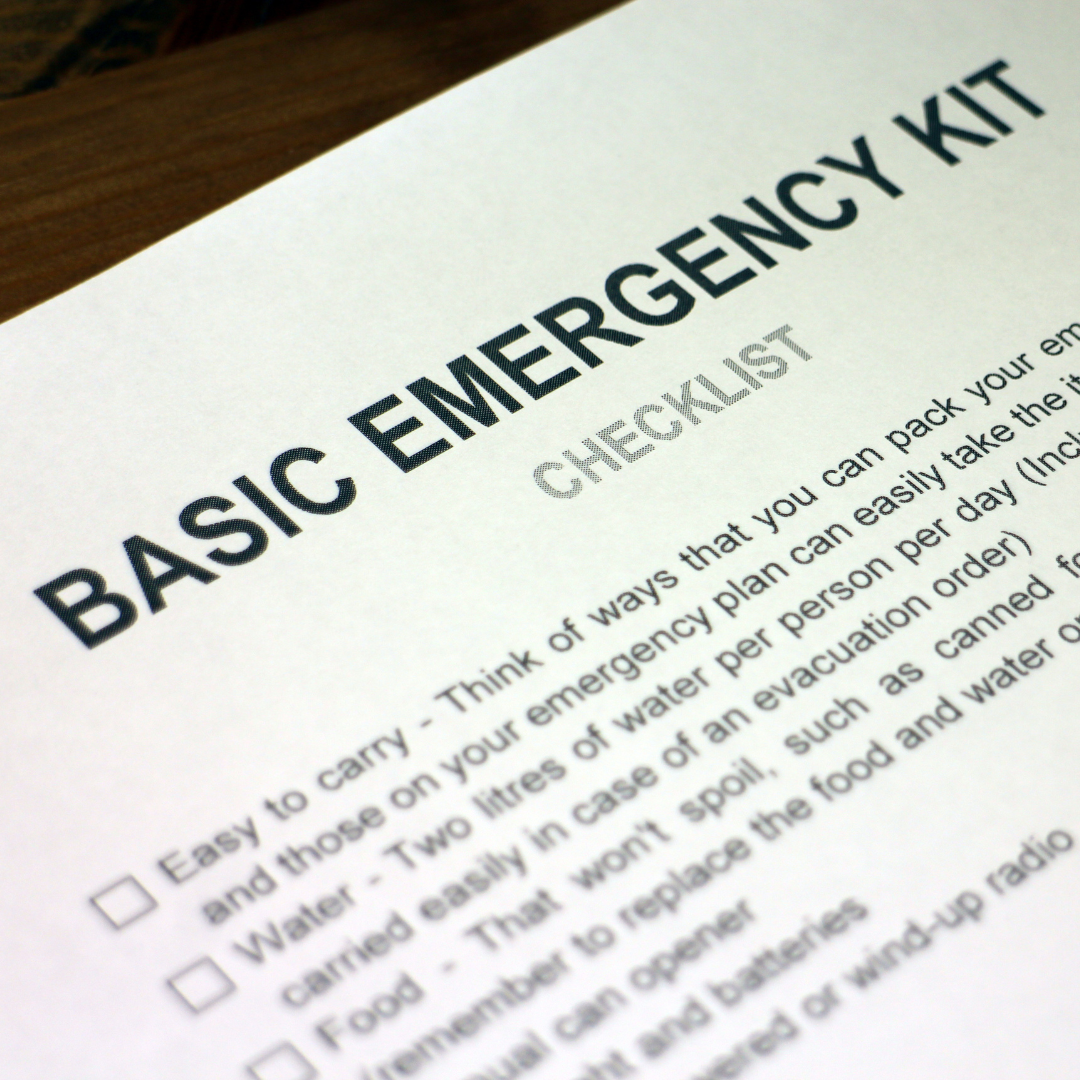
You don't need a 50-page document. A useful plan answers a few practical questions your future stressed-out self will be grateful to have answered in advance:
- Who do I call first: insurance agent, landlord, key employees, key customers, lender(s)?
- Where do I operate from if my location is unusable: a co-worker's space, a relative's garage, remote work?
- How do I keep serving customers (in the meantime): a temporary website notice, a forwarding phone number, a partnership with another local business?
- What's my minimum cash cushion: to cover payroll and fixed costs for a few weeks of closure?
Write it down, share it with any employees, and revisit it once a year or after any major change to your business.
Use the Free Resources Already Built for You
You don't have to build a disaster plan from scratch. A few starting points:
- Business Impact NW 1-on-1 Coaching: free, one-on-one advising to help you build a plan tailored to your business and connect you to funding and recovery resources if disaster hits.
- SBA's Business Resilience Guide: a step-by-step guide covering risk assessment, continuity planning, and rebuilding.
- Ready.gov: checklists specific to floods, hurricanes, tornadoes, wildfires, and winter storms.
What You Can Do Now
Disaster preparedness isn't about assuming the worst will happen; it's about making sure that if it does, you're not starting from zero. An afternoon spent photographing your inventory, checking your insurance, and writing down a simple continuity plan can be the difference between a temporary setback and a permanent closure.
About the author

Katelin Enos
(Kayt- Lynn, Ee-nus)
Katelin is the Vice President of Lending Operations and Credit for Business Impact NW, where she oversees the Lending Team. With a dedicated focus on steering the Loan Officers, Underwriters, and Documentation & Servicing Team, she ensures that Business Impact NW’s portfolio adheres to compliance standards. Katelin’s expertise, honed by over nine years in the financial industry, shines through her two promotions, culminating in her current position. Having previously worked with First Interstate Bank for nearly 7 years, her vast experience also includes approval authority of funds and assisting with forming the Lending Department. Katelin additionally holds a Bachelor’s of Finance from Oregon State University.