
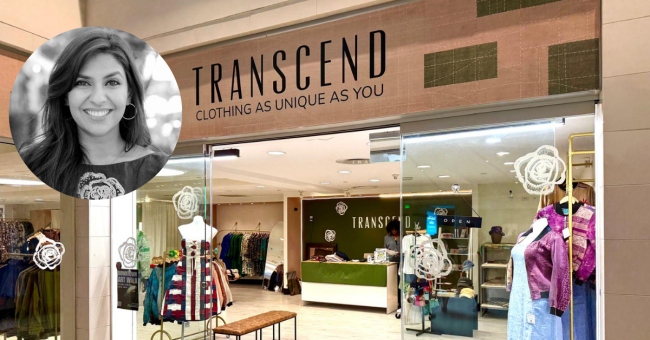
Fashion can be about many things: self-expression, luxury, comfort, artistry. For Nazia Siddiqui, founder of clothing brand Transcend, it’s about community first and foremost.
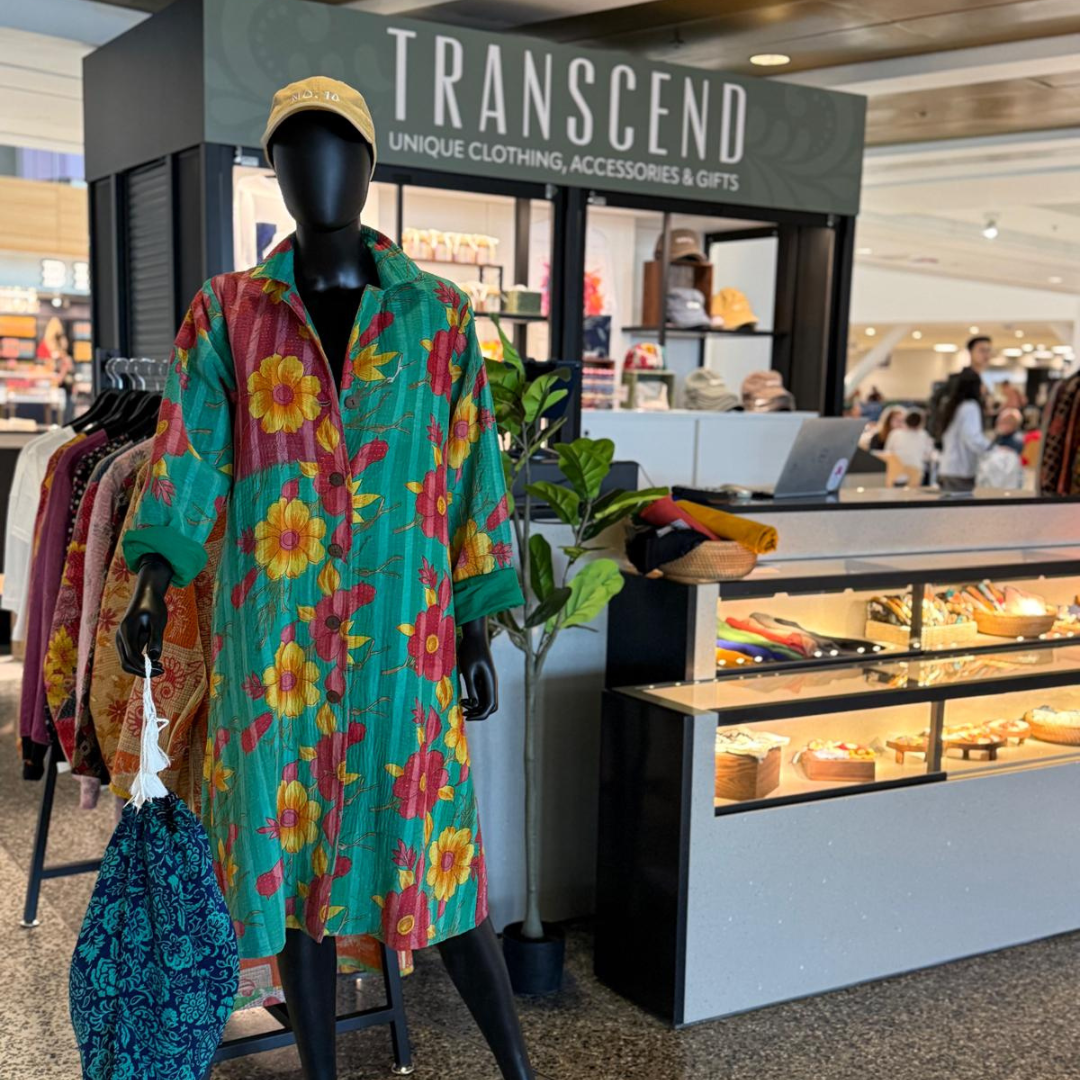
Inspired by her childhood in India, she’s drawing attention to traditional clothes-making processes, celebrating the skilled artisans who perform them, and building sustainability into the manufacturing process.
An extraordinary go-getter, Nazia has tapped into a multitude of opportunities within the business community. With insights and encouragement from Business Impact NW coach Lynette Vargas, Nazia has secured opportunities with SEA Sparks, the Tory Birch Foundation Fellowship, and other programs.
Setting an example of entrepreneurship and valuing tradition
As a youngster, Nazia would go with her mother—a seamstress—to pick out luxurious fabrics at the local bazaar, and then watch as her mother transformed them into garments. Her family wasted nothing; they saved excess fabric for the next design.
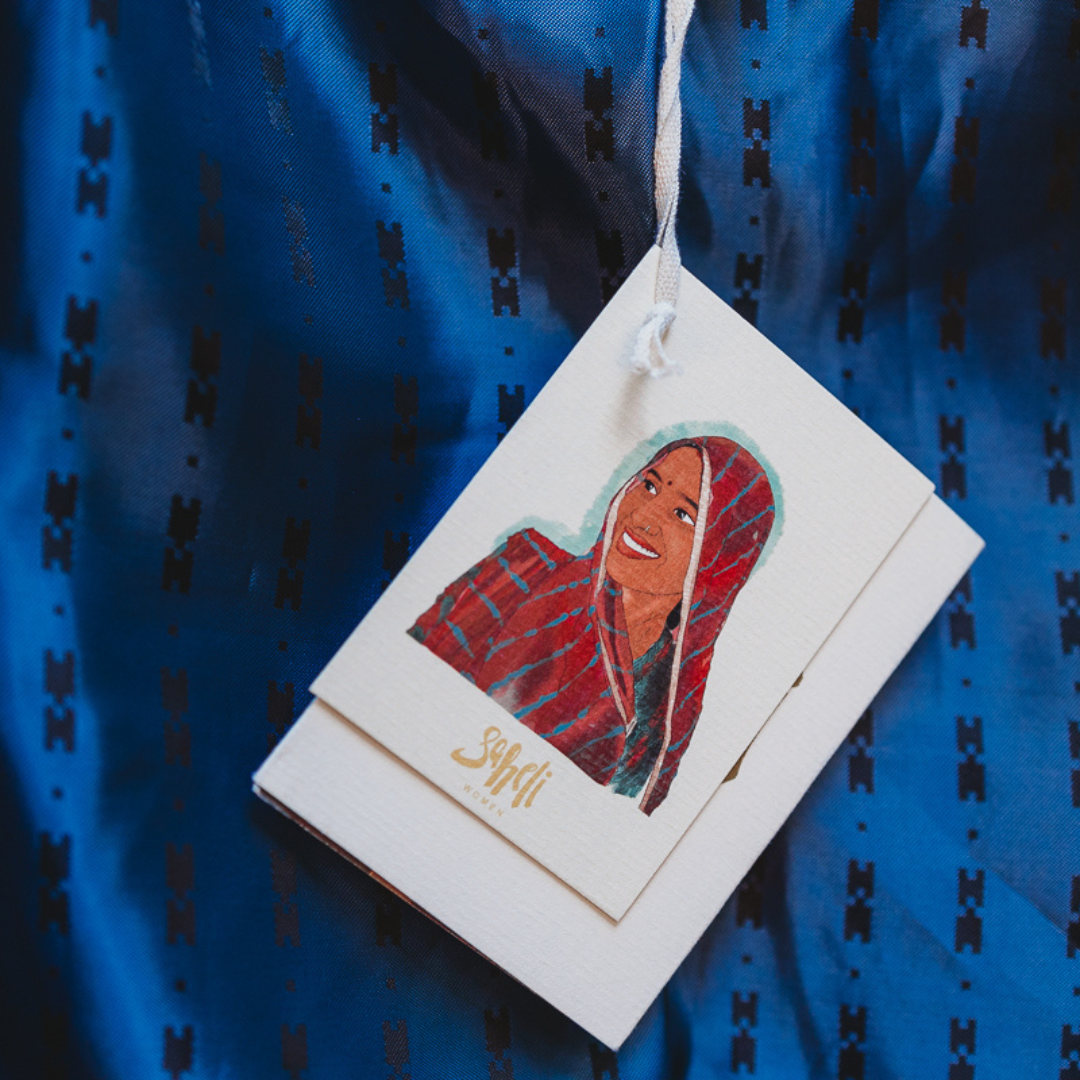
Now a mother herself, Nazia wants to set a good example for her two children. Transcend was born out of a desire to demonstrate what it means to be an entrepreneur who believes in sustainability, as well as the importance of valuing traditional artisanal clothes-making techniques—some of which are at risk of disappearing.
“I wanted to amplify these crafts that were dying around the world and amplify the people behind them,” says Nazia. “I wanted to tell the stories of the artisans.”
These crafts include:
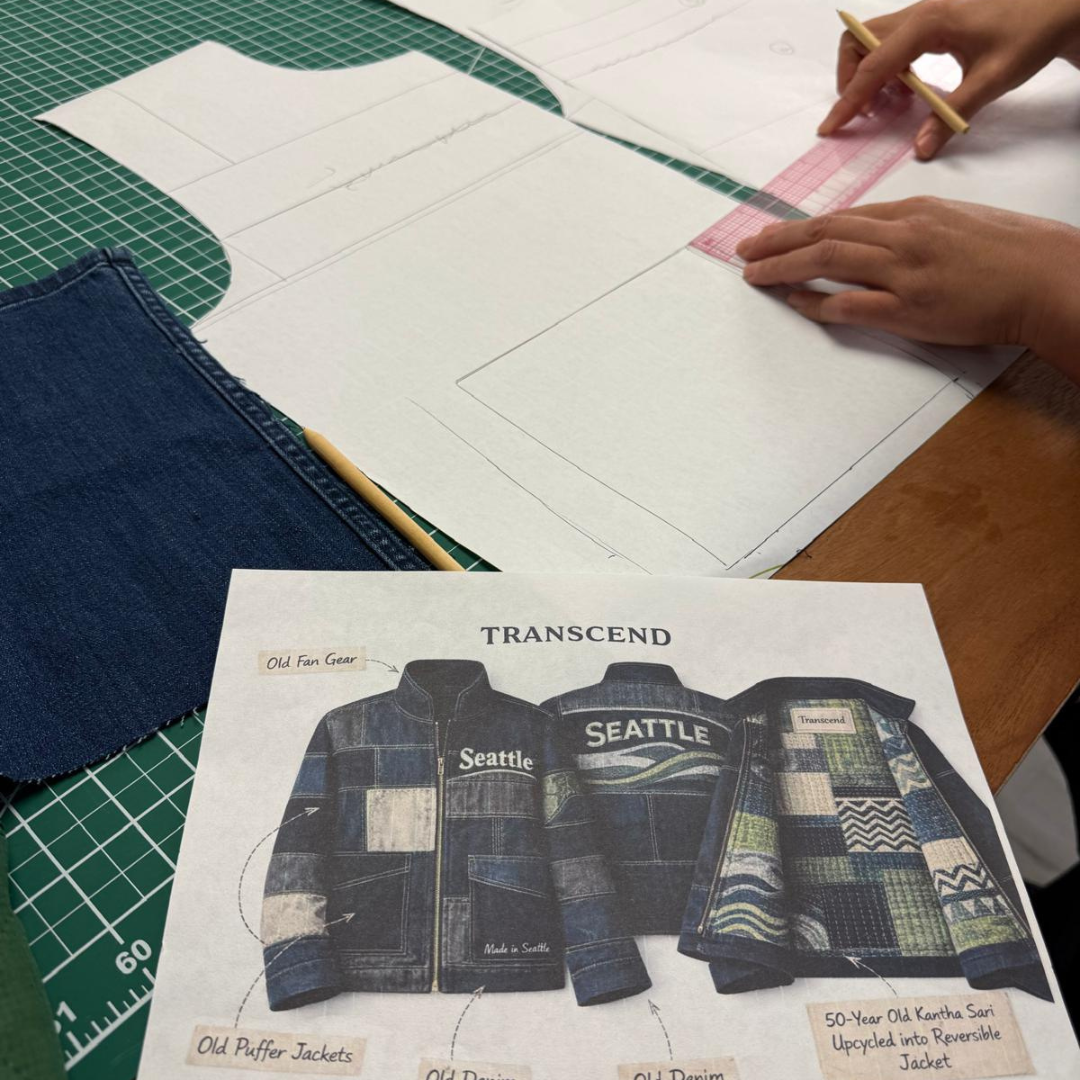
- Kantha: A Bengali stitching technique that turns remnants of old saris into two-sided quilts. Transcend uses this method in their vibrant bomber jackets.
- Ikat: A clothmaking process in which threads are dyed first and then woven into a pattern. Ikat has Malay origins but is widely practiced across Asia.
- Suzani: An embroidery style traditional to Uzbekistan and other Central Asian countries that features design elements like flowers, sun and moon disks, and pomegranates.
- Zardozi: Persian for “sewing with gold,” this technique traditionally used thin metal wires to create gold- and silver-colored designs. It has been adapted to work with cotton embroidery threads for Transcend’s signature rose motif.
- Hand block printing: This technique from Jaipur (India) begins with carved blocks that are dipped into eco-friendly dyes and stamped onto fabric.
All of these techniques use natural fibers, which is at the core of Nazia’s sustainability vision for Transcend.
How Transcend supports circular fashion, local manufacturing, and refugee communities
In January 2025, Transcend—which at the time was an eCommerce business with manufacturing based in India—was accepted into the NextCycle Washington accelerator program after Nazia pitched her company’s first “totally upcycled collection,” with all garments made from locally sourced textile waste.
The fashion industry is notoriously wasteful. “Just knowing how much landfill waste we’re dealing with made me look closer and see how can we be part of the solution,” says Nazia.
It was clear from the get-go that there was no infrastructure or supply chain for circular fashion, but there WAS talent. “I’d been working with artisans locally for my own repair, so I was low-key building a network of artisans from refugee communities who had these skills,” Nazia explains.
Building a supply chain from scratch and getting a physical storefront
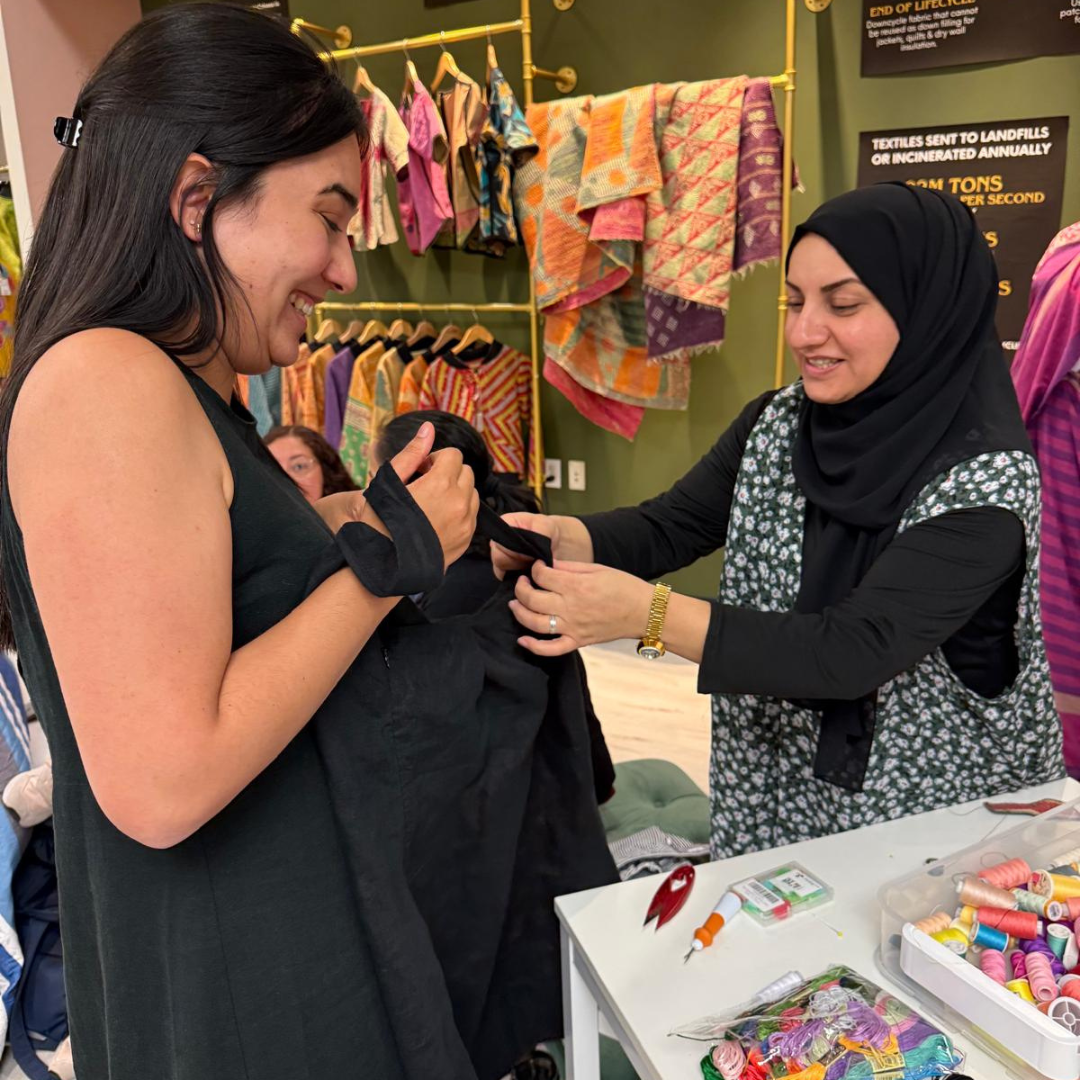
Nazia built her own Seattle-based supply chain by finding local textile waste sources for the feed stock. (These are often high-quality, reusable materials.)
She then set up a temporary studio in Northgate for seamstresses to come to. With an overwhelmingly positive response from the community, Nazia applied for Seattle Restored to get her own space.
Through Seattle Restored, Nazia and her team set up shop in Pacific Place (600 Pine St., Ste. C10) with six months of rent support. The space seemed huge at first, but Nazia soon realized half of it could become a production area. Now, it’s a “very immersive, tactile sort of space” that hosts events and functions as a community hub.
How Business Impact NW has helped Nazia’s company grow
There’s no roadmap for a small business owner. Opportunities abound, but founders can’t take advantage if they don’t know they exist.
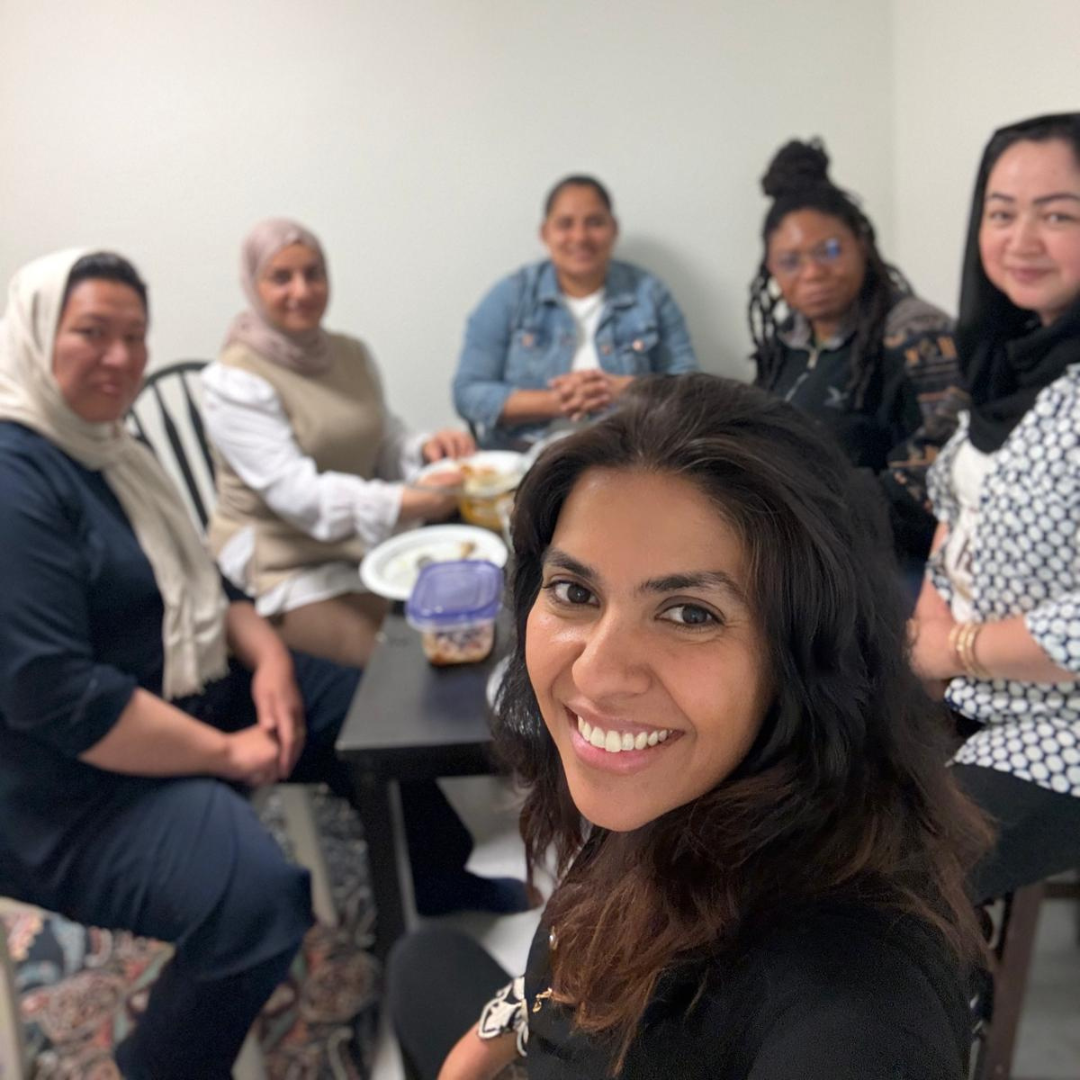
This is where coaches like Lynette come in. While Nazia focused on setting up local supply chains, building a customer base, and launching a special FIFA World Cup collection, Lynette was scouring the business landscape for any opportunity that Transcend would be a perfect fit for—like SEA Sparks, which gave Transcend a kiosk at SeaTac Airport.
“I found Lynette and Business Impact NW when I needed local connections the most,” says Nazia. “We were going from having this very global supply chain in India and Bangladesh to figuring out what the local landscape looks like. Who are the people that can help me connect to advocates? to suppliers locally? to resources?”
Lynette was delighted to coach such an energetic, motivated entrepreneur.
“Working with Nazia has been a great experience,” she says. “After a session with her, you can easily imagine all the incredible things she’s capable of creating. She’s a driven woman who brings so much energy, creativity, and excitement to her ideas and projects, and she’s also a great networker and supporter of small businesses.”

Lynette was even able to make a personal connection on Nazia’s behalf to Seattle Restored, a program that has been so critical to Transcend’s success.
The most valuable thing, Nazia says, is “to have someone in your corner who understands the business and what the founder is all about.” In Lynette, she has someone “who knows where we’re headed and can identify those opportunities in a meaningful way.”
Nazia’s story shows what can happen when a strong vision meets the right support. If you’re building a business and could use guidance, connections, or access to new opportunities, Business Impact NW offers free coaching, resources, and financing to help.
About the author

Robin Kallsen
Robin Kallsen is a Seattle-based freelance copywriter who crafts detailed, fun-to-read articles on market research, cybersecurity, and other topics. She’s also a musician who busks at Pike Place Market during the tourist season, playing bass while singing vintage jazz, blues, and French songs.